 Peoples' Review
Third extension fuels suspicion over Karki probe report
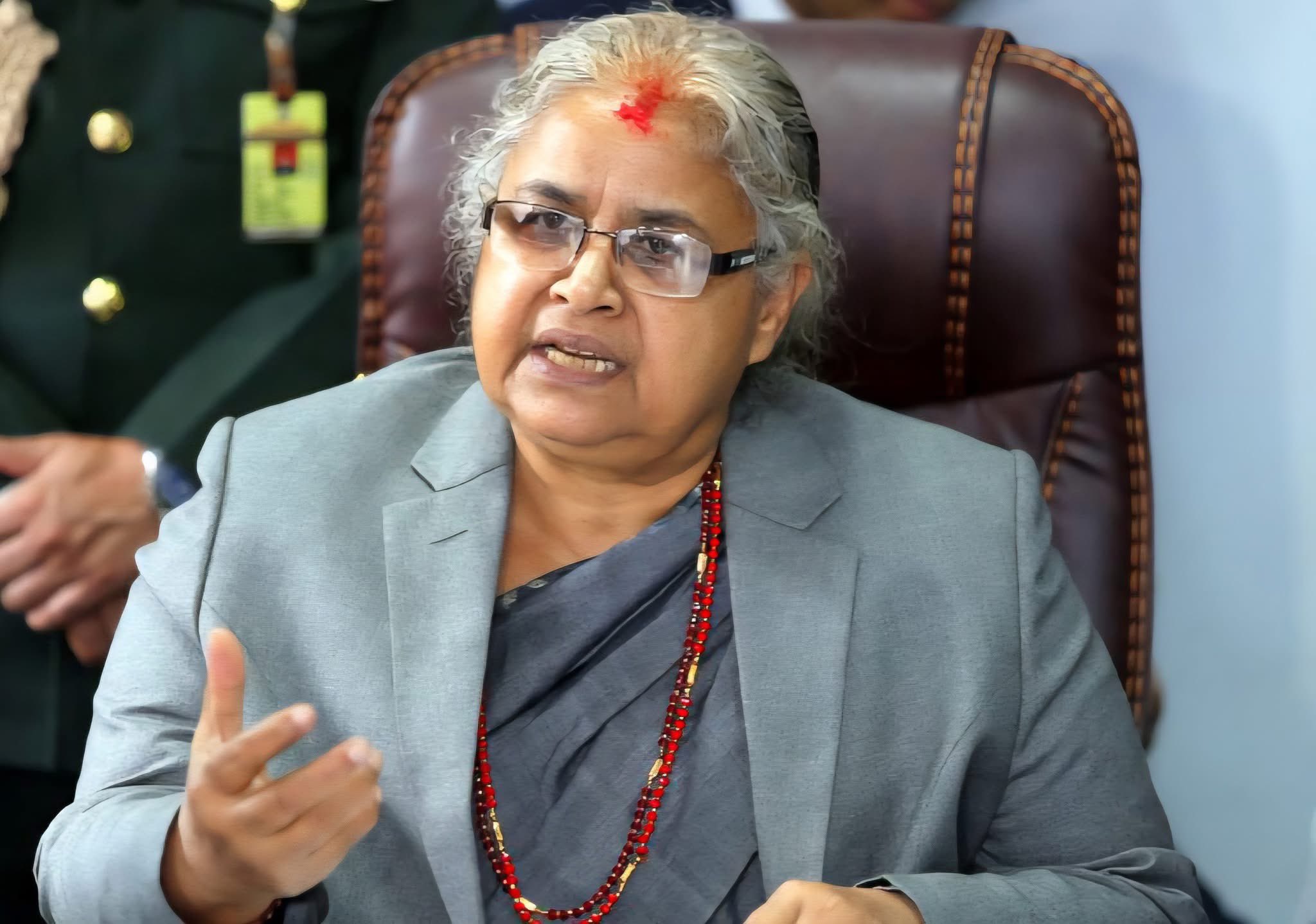
By Our Reporter
The government’s decision to give a third extension to the Gauri Bahadur Karki probe commission is starting to look less like routine delay and more like political caution. Granting three extensions to a panel that has already taken key statements and says it is writing the report is not a minor step. The Cabinet decision gives the commission another 25 days to investigate the deadly crackdown during the September 8 and 9 Gen Z protests. Those two days left 77 people dead and caused property damage worth billions of rupees. Home Minister Om Prakash Aryal has said the commission simply needs more time. The timing of extension is hard to ignore.
The commission has already recorded statements from many senior figures, including former prime minister KP Sharma Oli, former home minister Ramesh Lekhak, Sher Bahadur Deuba, Pushpa Kamal Dahal, Rabi Lamichhane, and Balendra Shah. It has also questioned top security officials. In simple terms, much of the groundwork appears finished. When a probe reaches the report writing stage, repeated extensions naturally raise doubts.
Opposition leaders, including Sarbendra Khanal, also former Inspector General of Police, and others, have openly demanded that the report be made public right away. Their point is straightforward and hard to dismiss. If the commission has done its work, why the delay? The public has waited for months for answers about a crackdown that killed dozens. Each new extension weakens public confidence.
What makes the situation more troubling is the government’s own internal thinking. An unnamed minister admitted that releasing the report before the March 5 elections could be harmful. In plain language, the findings might embarrass some powerful figures at the wrong moment. That does not inspire much faith in the government’s promise of accountability.
Officials also suggest that naming political leaders before the polls could disturb the election climate or create security risks. That concern is not entirely baseless. Major findings can raise tensions. Even so, delaying the report to avoid political discomfort sets a worrying example. If every sensitive report waits for a convenient time, the public may never see the truth.
The third extension strengthens the belief that the government is worried about the political impact of the commission’s findings. The fact that leaders from major parties were questioned only adds to that suspicion. When investigations touch powerful people, delays often follow. Citizens have seen this pattern before.
There is also a broader cost. Probe commissions are meant to establish facts and suggest action, not to be adjusted around the political calendar. Each delay damages the credibility of the process. It also risks turning public grief into deeper anger, especially among families affected by the violence.
The government would have done better to show confidence in its own commission. It should publish the report, accept the consequences, and allow the democratic process to work. Instead, the repeated extensions suggest hesitation at a time when the public needs clarity.
If this trend continues, the damage will go beyond one delayed report. Public trust in official investigations, which is already weak, could fall further as restoring people’s trust is far more difficult than granting another extension to a probe panel that can disclose a lot about the Gen Z movement and September 8-9 incidents.
The post Third extension fuels suspicion over Karki probe report appeared first on Peoples' Review.