The Diplomat Nepal
Madhesh Province: Nepal’s Cultural Gateway of Faith, Festivals, and cross-Border Tourism
Stretching across the fertile plains of southern Nepal, Madhesh Province stands as a vibrant cultural corridor where ancient mythology, sacred pilgrimage, colorful traditions, and warm hospitality blend into a unique tourism experience. While the towering Himalayas define much of Nepal’s tourism identity, Madhesh offers a different but equally compelling landscape—one shaped by spiritual heritage, historic towns, lively festivals, traditional cuisine, and diverse wetlands and farmlands.
Covering about 9,661 square kilometers, the province is the smallest by area yet the most densely populated region of Nepal, with more than 6.1 million residents according to the 2021 national census- around 21 percent of Nepal’s total population. Bordering the Indian states of Bihar and Uttar Pradesh, whose combined population exceeds 350 million people, Madhesh Province holds immense potential for cross-border tourism, pilgrimage travel, and regional cultural exchange. The open border between Nepal and India allows millions of people to move freely for trade, religious visits, and cultural ties, positioning Madhesh as a natural tourism corridor between the Himalayan nation and the vast Gangetic plains.
The Living Heritage of Mithila Civilization
Madhesh Province is deeply rooted in the ancient Mithila civilization, a cultural tradition that has shaped the social identity of the region for centuries. Communities speaking Maithili, Bhojpuri, and Tharu languages preserve traditions expressed through festivals, music, folk rituals, and vibrant arts. One of the most iconic cultural expressions of the region is Mithila painting, a traditional art form historically created by women using natural pigments. These paintings portray scenes from Hindu mythology, village life, nature, and the legendary marriage of Lord Ram and Goddess Sita. Today, Mithila art has gained international recognition and remains a powerful symbol of Madhesh’s cultural identity.
Festivals are celebrated with extraordinary enthusiasm across the province. Chhath Puja, dedicated to the sun god, transforms rivers, ponds, and lakes into spiritual gathering spaces where thousands of devotees perform rituals at sunrise and sunset. Similarly, Vivaha Panchami, commemorating the divine wedding of Ram and Sita in Janakpur, draws pilgrims and cultural visitors from Nepal and India every year. Holi, Ram Navami, and Dashain further highlight the region’s rich social harmony and colorful traditions.
A Major Hub of Religious Tourism
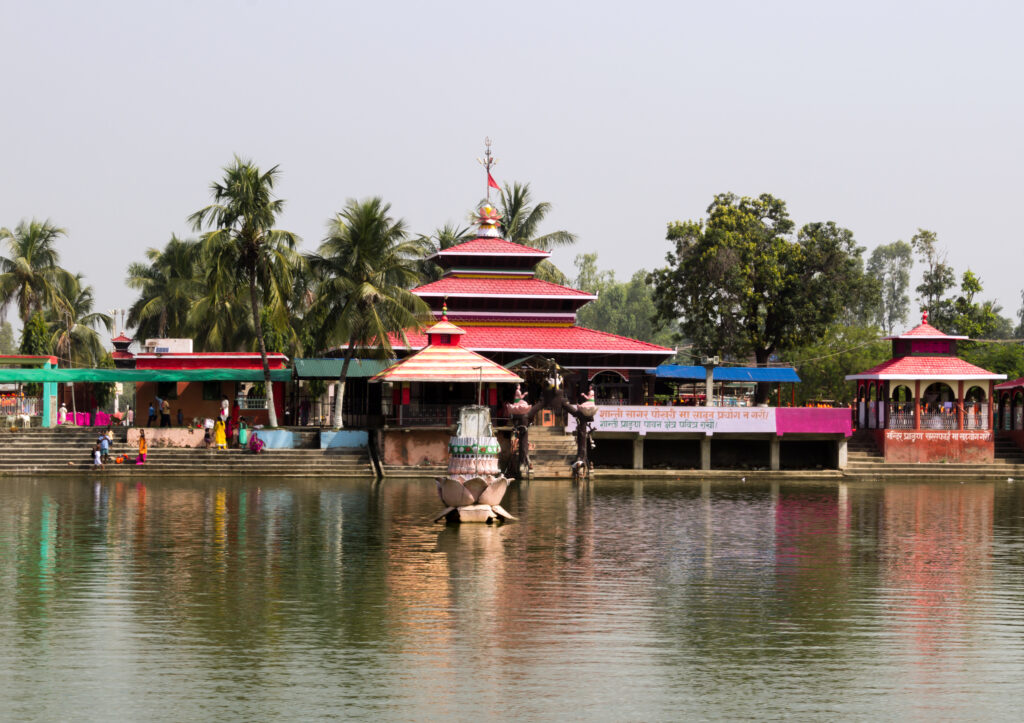
Religion forms the spiritual heart of tourism in Madhesh Province. The region hosts several sacred sites that hold deep significance for both Nepali and Indian pilgrims. At the center of this religious landscape lies Janakpur, the provincial capital and one of South Asia’s most important Hindu pilgrimage destinations. The majestic Janaki Temple, also known as the Nau Lakha Mandir, stands as a magnificent symbol of devotion and architectural beauty. Nearby sacred ponds such as Dhanush Sagar and Ganga Sagar have served as ritual sites for centuries, reinforcing Janakpur’s identity as a sacred city connected to the Ramayana tradition.
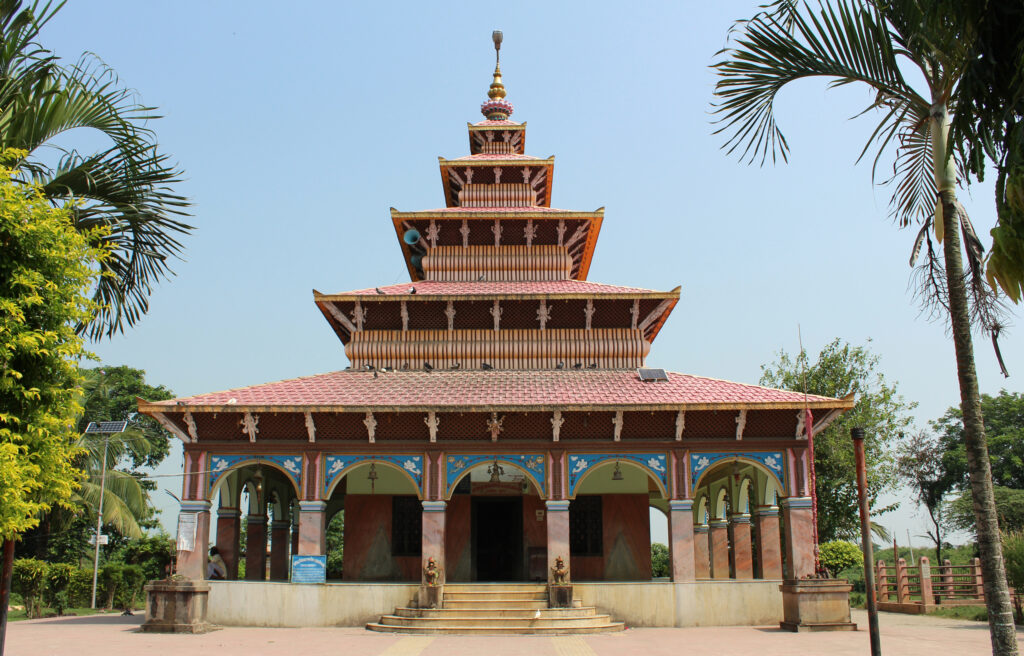
Beyond Janakpur, the province is home to numerous historic temples and pilgrimage sites. The revered Dakneshwori Temple in Saptari is considered a powerful Shakti shrine and attracts thousands of devotees during Dashain. Similarly, the Shambhunath Temple, dedicated to Lord Shiva, hosts large religious fairs and pilgrimage gatherings every year. The Gadhimai Temple, Bara, is famous for hosting one of the region’s largest religious festivals, drawing pilgrims from across Nepal and India. These sacred sites collectively create a powerful Ramayana and Shakti pilgrimage circuit that could significantly strengthen Madhesh’s religious tourism potential.
Nature and Emerging Tourism Landscapes
The province also possesses diverse natural attractions that remain relatively unexplored. Rivers, wetlands, agricultural landscapes, and forest reserves provide opportunities for eco-tourism and rural tourism development. Among the emerging attractions is Bharat Taal in Sarlahi, one of Nepal’s largest human-made lakes, which has become a popular recreational destination with boating and leisure activities. The Salhesh Botanical Garden in Siraha is another unique attraction associated with the legendary folk hero Salhesh and known for its rare seasonal orchid phenomenon that blooms once every year. Forests such as Parsa National Park, located near Birgunj, add another dimension to Madhesh tourism by offering wildlife experiences and nature exploration close to urban centers. These landscapes, combined with wetlands and agricultural villages, provide strong opportunities for agro-tourism, bird watching, and cultural village experiences.
No exploration of Madhesh Province is complete without experiencing its distinctive cuisine. Rooted in Mithila traditions and influenced by the food culture of the Gangetic plains, the local culinary landscape is rich, spicy, and deeply connected to agricultural life. The culinary traditions of Madhesh Province reflect its agricultural richness and cultural diversity. Food here is deeply connected to Mithila traditions and the culinary influences of the Indo-Gangetic plains. Street food culture is equally vibrant, with dishes like litti-chokha becoming a signature delicacy of the region.
A Province Ready to Rise on Nepal’s Tourism Map
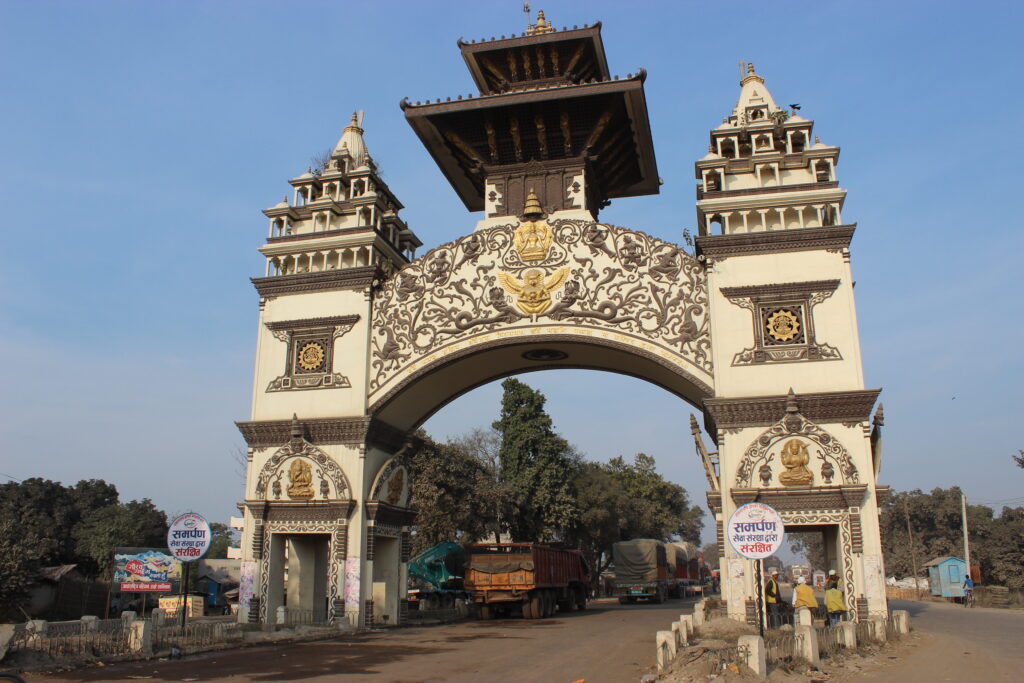
Perhaps Madhesh Province’s greatest tourism advantage lies in its strategic location along Nepal’s southern border. Major cities such as Birgunj, Janakpur, and Jaleshwar serve as important transit gateways connecting Nepal with India’s cultural and economic centers. Through border points linked to cities like Sitamarhi, Darbhanga, Muzaffarpur, Patna, Ayodhya, and Varanasi, Madhesh can attract millions of potential pilgrims and travelers from neighboring states.
The Ramayana circuit linking Janakpur with Sitamarhi and Ayodhya represents one of the most promising tourism corridors in South Asia. If properly developed with improved infrastructure, heritage conservation, and tourism services, this corridor could bring significant economic benefits to the province. Madhesh Province represents a different but equally powerful dimension of Nepal’s tourism identity—one rooted in living culture, sacred traditions, and cross-border connectivity. From the magnificent Janaki Temple and ancient Shakti shrines to the colorful Mithila paintings, vibrant festivals, wetlands, and flavorful cuisine, the province offers travelers an authentic cultural journey unlike anywhere else in the country.
With a population exceeding six million and direct access to the massive markets of Bihar and Uttar Pradesh, Madhesh holds enormous potential to become Nepal’s gateway for religious tourism, cultural travel, and regional tourism integration. As Nepal continues to diversify its tourism destinations beyond mountains and trekking trails, Madhesh Province stands poised to emerge as a vibrant center of faith, heritage, and hospitality in South Asia.